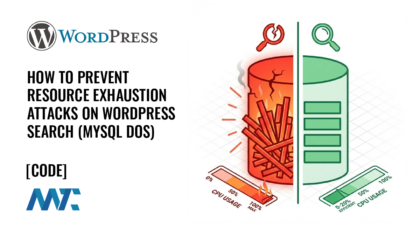
A cyber attack whose goal is to make a computer resource or network unavailable to its intended users. This is typically accomplished by overwhelming the target system with a flood of traffic or requests, causing it to slow down or crash. These attacks can have significant impacts on businesses, government agencies, and individuals, leading to loss of revenue, reputation damage, and potentially even legal consequences.
Common Methods of DoS (Denial of Service)
A DoS (Denial of Service) attack can be carried out using various methods, including:
- Flooding: Sending a large amount of junk traffic to a target network to overwhelm it.
- Botnets: Using malware to infect a large number of computers and turn them into a botnet to attack a target.
- Exploiting Vulnerabilities: Exploiting weaknesses in the target system to crash or overload it.
Impact of DoS Attacks
DoS (Denial of Service) attacks can have severe consequences, including:
- Loss of Revenue: Downtime can lead to significant financial losses for businesses.
- Reputation Damage: Frequent attacks can erode customer trust and damage a company's reputation.
- Legal Consequences: In some cases, organizations may face legal action due to the inability to provide services.
Distributed Denial of Service (DDoS)
A distributed denial-of-service attack (DDoS attack DEE-doss) involves multiple compromised systems, often part of a botnet, to flood the target with traffic. This makes it more difficult to mitigate and can have a more significant impact than a single-source DoS (Denial of Service) attack.