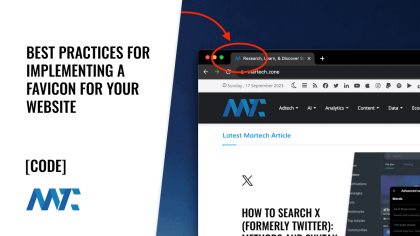
A small graphical icon or image associated with a website or web page. Favicons are typically displayed in various places within web browsers to help users identify and bookmark websites. They provide a visual identifier for open tabs, making it easier for users to find and switch between multiple tabs. When users bookmark or save a website as a favorite, the favicon is often displayed alongside the website's name in the bookmarks or favorites menu. In some browsers, the favicon is displayed in the browser's address bar or omnibox, adding a visual element to the website's URL. Some search engines may display favicons next to search results, helping users easily identify websites in search listings.
Visual Representation
Favicons are tiny, usually square images with dimensions ranging from 16×16 pixels to 32×32 pixels. They are designed to be simple and easily recognizable, often featuring a logo, a letter, or a symbol associated with the website.
Browser Tabs
When users open a website in a web browser, the favicon is displayed in the browser tab next to the page title. This provides a visual identifier for the open tab, making it easier for users to find and switch between multiple tabs.
Bookmarks and Favorites
When users bookmark or save a website as a favorite, the favicon is often displayed alongside the website's name in the bookmarks or favorites menu. It helps users quickly identify and access their saved websites.
Browser Address Bar
In some browsers, when users visit a website, the favicon is displayed in the browser's address bar or omnibox. This adds a visual element to the website's URL.
Search Results
Some search engines may display favicons next to search results, helping users easily identify websites in search listings.
Branding and Recognition
Favicons are an essential part of a website's branding. They contribute to the overall visual identity of a site and help users remember and recognize it.
File Format
Favicons can be in various file formats, including .ico (the traditional format), .png, .svg, and others. Modern browsers can handle multiple formats, but .ico is still widely used for maximum compatibility.
Accessibility
It's a good practice to include an alt attribute when specifying a favicon, especially for .svg favicons. This provides alternative text for accessibility, allowing screen readers to describe the favicon to users with visual impairments.