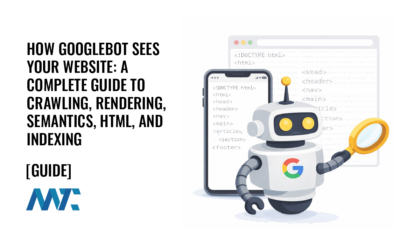
A programming interface for HTML and XML documents, the Document Object Model (DOM) represents the structure of a web page as a tree-like hierarchy. Each node in the tree corresponds to a distinct element or object, such as headings, paragraphs, images, and forms. This platform- and language-neutral interface enables web developers to interact with and modify web page content and structure dynamically using programming languages like JavaScript.
Core Concepts
The DOM treats an HTML or XML document as a tree structure, where each node is an object representing a part of the document. DOM methods allow programmatic access to the tree, enabling changes to the structure, style, or content of a document.
- Nodes: Each branch of the tree ends in a node, and each node contains objects. Nodes can have event handlers (also known as event listeners) attached to them. Once an event is triggered, the event handlers get executed.
Standardization
The principal standardization of the DOM was handled by the World Wide Web Consortium (W3C), which last developed a recommendation in 2004. WHATWG took over the development of the standard, publishing it as a living document. The W3C now publishes stable snapshots of the WHATWG standard.
Practical Applications
The DOM is a core technology of the web platform and is an essential tool for web developers. It provides a standard set of methods and properties that can be used to access and manipulate web page elements.
- Methods: For example, the getElementById() method can be used to retrieve a specific element on a page based on its unique ID.
- Properties: The innerHTML property can be used to modify the content of an element.
- Event Handling: Event handlers can be attached to nodes to respond to user interactions.
Server-Side Use
In addition to its use in client-side scripting, the DOM is also used in server-side web development frameworks, such as Node.js, to manipulate HTML and XML documents programmatically.