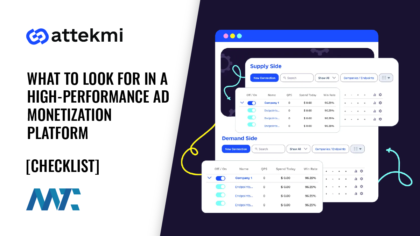
A technology platform that enables web publishers, connected TV (CTV) publishers, mobile app developers, and digital out-of-home (DOOH) media owners to manage their advertising inventory, fill it with ads, and generate revenue. SSPs are integral to the programmatic advertising ecosystem, automating the selling and optimization of digital media space. They interface with advertising networks and exchanges, which connect to demand-side platforms (DSPs) on the advertiser side, allowing advertisers to target specific audiences.
Key Features and Functions
SSPs offer several key features and functions to help publishers manage and optimize their ad inventory:
- Demand aggregation: SSPs connect publishers with multiple demand sources, including DSPs, ad networks, and direct buyers, to increase competition for their ad inventory and drive higher revenue.
- Inventory management: SSPs allow publishers to manage their ad inventory, including different ad formats (display, video, native) and ad placements across their websites and apps.
- Real-time bidding (RTB): SSPs facilitate RTB by sending bid requests to DSPs and other demand sources, conducting real-time auctions, and selecting the winning bids.
- Reporting and analytics: SSPs provide publishers with detailed reporting and analytics on their ad inventory performance, revenue, and buyer insights, enabling data-driven decision-making.
- Yield optimization: SSPs help publishers maximize their ad revenue by automatically allocating ad inventory to the highest-paying buyers through real-time auctions and by setting floor prices to ensure a minimum revenue per impression.
Role in Programmatic Advertising
SSPs are a crucial component of the programmatic advertising ecosystem, working in conjunction with DSPs and ad exchanges to facilitate the buying and selling of digital ad inventory in real-time. They help publishers optimize their ad revenue and manage their ad inventory more effectively. By offering impressions into ad exchanges, SSPs enable DSPs to purchase them on marketers' behalf, depending on specific targeting attributes and audience data. This system allows advertisers to put online advertising and DOOH advertising before a selected target audience.