29 Marketing Tricks That Influence Buying Decisions (and the Psychology That Makes Them Work)
Marketing does, at times, persuade people to act against their initial intentions. That tension is exactly why the word tricks continues to surface in conversations about persuasion, pricing, and influence. Some tactics nudge behavior subtly, others reshape perception more forcefully, and a few clearly exploit known cognitive blind spots.
That said, most of the so-called tricks used in modern marketing are no longer hidden or fringe tactics. They are well-documented psychological principles studied in behavioral economics, cognitive science, and decision theory. Calling them tricks can be misleading, not because they are harmless, but because they are now mainstream, expected, and often demanded by consumers who prefer clarity, reduced friction, and faster decisions.
What matters is intent and execution. The strategies below work because they align with how people actually process information, not how we wish they did. Understanding the psychology behind them allows marketers to apply these techniques responsibly, transparently, and effectively.
Table of Contents
Reduce the Left Digit Bias
People anchor heavily on the first digit they see in a price. A product priced at 2.99 is mentally categorized closer to two dollars than three, despite the negligible difference. This is not deception; it is a perceptual shortcut that the brain uses to process information quickly. Marketers typically apply this principle in environments where decisions are made rapidly, such as ecommerce listings or promotional grids. It works best when paired with genuine value rather than artificial inflation.
Choose Numbers with Fewer Syllables
Numbers that are easier to say feel easier to accept. Linguistic simplicity reduces cognitive effort, which in turn increases perceived value. Twenty-nine ninety feels lighter than thirty dollars, even when buyers understand the equivalence. This principle extends beyond pricing. Product tiers, plan names, and even discount descriptions benefit from verbal simplicity.
Remove the Comma in Large Prices
Punctuation increases perceived magnitude. Writing 1699 instead of 1,699 subtly reduces the psychological weight of the number. The brain processes it as a smoother, less intimidating figure. This formatting choice is particularly effective for higher-priced items where hesitation is driven by scale rather than affordability.
Frame Spending as a Transfer, Not a Loss
Consumers are more comfortable spending money when they perceive it as moving toward something meaningful. Positioning a purchase as an investment in quality, time saved, or long-term outcomes reframes cost as progress. This principle is foundational in B2B marketing, SaaS, and professional services, where long-term value outweighs immediate expense.
Encourage Touch and Mimicry
Physical interaction increases perceived ownership. Even simulated interaction—through imagery, video, or motion—creates emotional attachment before purchase. Digital marketers use this principle through interactive product views, demos, immersive visuals, and augmented reality (AR) that allow buyers to imagine use before committing.
Use Language That Minimizes Perceived Cost
Words like just, only, or as little as lower emotional resistance by framing cost as manageable. These terms reduce friction when used honestly, especially for upgrades or add-ons. When overused or applied deceptively, however, this language erodes trust quickly.
Break Prices Into Installments
A monthly fee feels less painful than a single large payment, even when buyers understand the total cost. This works because pe ople mentally budget in shorter timeframes.Subscription businesses rely heavily on this principle, pairing it with transparency to maintain credibility.
Use Visual Signals to Guide Attention
Icons, highlights, and subtle design cues draw attention to preferred options without forcing a decision. These signals act as navigational aids rather than pressure mechanisms. Effective visual hierarchy clarifies choice instead of overwhelming it.
Leverage Price Contrast
Displaying an original price next to a discounted price amplifies perceived value. The contrast makes savings tangible and immediate. This technique only works when the comparison is honest. Inflated reference prices undermine long-term trust.
Use Odd Pricing to Signal Precision
Prices ending in unconventional digits imply careful calculation rather than estimation. Consumers subconsciously infer fairness and intentionality. This effect is strongest in competitive markets where differentiation is subtle.
Reduce the Emotional Pain of Paying
The act of paying triggers loss aversion. Streamlined checkout, stored payment methods, and delayed billing (BNPL) reduce that discomfort. Used ethically, this principle improves user experience rather than encouraging reckless spending.
Maximize the Perceived Size of the Discount
People do not evaluate discounts mathematically; they evaluate them comparatively. The same savings can feel large or negligible depending on the reference point that is presented first. Showing the original price before the discounted price, emphasizing cumulative savings, or framing the discount against a higher anchor all increase perceived value without changing the actual offer.
Match Discount Format to Context
Percentages feel more compelling on high-priced items, while flat dollar discounts resonate more with low-cost purchases. The difference lies in how value is mentally calculated. Testing both formats helps identify which framing aligns with buyer expectations.
Remove Currency Symbols When Appropriate
Currency symbols reinforce the idea of spending. Removing them reduces the emotional salience of cost and keeps focus on value. This approach is common in hospitality, SaaS, and ecommerce pricing pages designed for ease and flow.
Phrase Discounts as Gains
Get 20 off feels more rewarding than save 20, even though the math is identical. People respond more positively to perceived gains than avoided losses. This aligns with well-established principles of loss aversion.
Emphasize Time Over Money
Time feels more personal and finite than money. Messaging that highlights time saved often resonates more deeply than cost savings. This is especially effective for productivity tools, services, and automation platforms.
Use Nostalgia to Build Emotional Safety
Nostalgia evokes trust and emotional warmth by reconnecting people with positive memories. When aligned with the audience’s experience, it can lower resistance. Misaligned nostalgia, however, feels artificial and quickly backfires.
Use Red Strategically in Pricing
Bold colors like red signal urgency and decisiveness. Research suggests certain audiences respond particularly well to high-contrast pricing cues. As with all design choices, audience testing matters more than assumptions.
Make Effort Visible
When consumers understand the craftsmanship, expertise, or process behind a product, they are more willing to pay. Transparency increases perceived fairness. Behind-the-scenes content and process explanations reinforce this effect.
Offer Instant Discounts
Immediate rewards are more compelling than delayed incentives. Instant gratification strengthens emotional payoff and accelerates decisions. This is particularly effective in retail and promotional campaigns.
Use Decoy Options to Guide Comparison
Introducing a less attractive option can make a target option appear more valuable. This shapes comparison rather than forcing outcomes. Ethical use requires that all options remain legitimate choices.
Use Environmental Cues to Influence Pace
Calmer environments encourage longer engagement, which often leads to higher spending. This applies both in physical spaces and digital experiences. Mood influences behavior more than most marketers realize.
Stack Options Vertically
Vertical layouts encourage progression and comparison, subtly nudging buyers toward premium choices when value differences are clear. Clarity is essential to avoid perceived manipulation.
Use Bright Visual Entry Points
Colorful, engaging entry points increase approachability and curiosity. Visual stimulation invites exploration. This principle applies to storefronts, landing pages, and onboarding flows.
Create Genuine Exclusivity
Limited access increases perceived value when scarcity is real. Memberships and early access programs work best when they are earned, not fabricated. False scarcity damages credibility quickly.
Highlight Popular Choices
People feel safer choosing what others have already chosen. Popularity reduces decision anxiety and reinforces confidence. Claims of popularity must always be truthful.
Use Buy One, Get One to Reframe Value
Receiving something extra feels better than paying less. This reframes value as gain rather than savings. This principle works particularly well for repeat-use products.
Reinforce Decisions With Social Proof
Reviews, testimonials, and usage statistics validate choices. Authenticity matters more than volume. Specific, credible proof outperforms generic praise.
Anchor Expectations With Higher Prices
Showing higher-priced options first resets expectations and makes subsequent prices feel more reasonable. Anchoring shapes perception before evaluation begins. Strategic sequencing can guide buyers toward balanced decisions.
Conclusion
Marketing tricks are not inherently good or bad. They are tools grounded in predictable human behavior, capable of both influence and abuse. The responsibility lies in how they are applied. When marketers understand the psychology behind these techniques, they can design experiences that reduce confusion, respect autonomy, and still drive results.
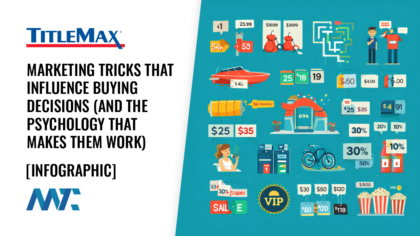
These principles are widely used because they work, not because consumers are naïve, but because human decision-making is shaped by context, emotion, and cognitive shortcuts. And if you want to see how all of these concepts are visually summarized, they were originally brought together in the infographic that inspired this article.