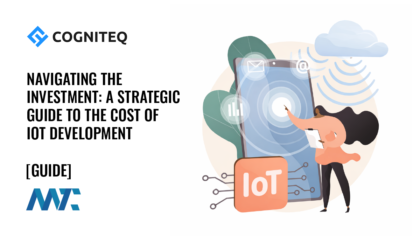
A network of physical objects embedded with sensors, software, and other technologies connects and exchanges data with other devices and systems over the internet. These objects range from ordinary household items to sophisticated industrial tools.
Examples of IoT Devices and Applications
- Smart Home Devices: Smart thermostats like Nest adjust the temperature based on user habits and preferences, and smart locks allow remote access control.
- Wearable Health Monitors: Devices such as Fitbit or Apple Watch monitor heart rate, steps, and overall physical activity, providing insights into the user’s health and fitness.
- Smart City Technologies: IoT devices enhance public safety, manage traffic, and conserve energy, such as smart streetlights and smart meters.
- Industrial IoT (IIoT): In manufacturing, sensors predict when machines need maintenance before breakdowns occur, improving efficiency and reducing downtime.
- Connected Cars: Vehicles equipped with IoT capabilities offer real-time navigation, traffic, and weather updates, as well as remote diagnostics and emergency services.
- Agricultural Sensors: These devices monitor soil moisture, crop health, and weather conditions to optimize farm management practices and increase crop yield.
- Smart Retail Systems: IoT technology in retail tracks inventory levels, customer foot traffic, and shopping patterns, enhancing the shopping experience and improving business operations.
Key Technologies Enabling IoT
- Ubiquitous Computing: The integration of computing into everyday objects and activities.
- Sensors: Devices that detect and measure physical properties and convert them into signals that can be processed.
- Embedded Systems: Specialized computing systems designed to perform specific tasks within larger systems.
- Machine Learning: Algorithms and statistical models that enable systems to improve their performance over time through experience.
Evolution of IoT
The field of IoT has evolved due to the convergence of multiple technologies, including ubiquitous computing, sensors, embedded systems, and machine learning. Traditional fields of embedded systems, wireless sensor networks, control systems, and automation independently and collectively enable the IoT. While in the consumer market, IoT technology transforms everyday life, in industrial settings, it enhances efficiency and productivity.