The Digital Stadium: Maximizing Fan Engagement and Revenue through Custom Apps

The global sports ecosystem is currently navigating a period of profound structural realignment. Traditionally, the relationship between a sports organization and its supporters was defined by discrete, localized interactions—the weekly matchday, the occasional purchase of a jersey, or the passive consumption of a televised broadcast. However, the rise of digital transformation (DX) has dismantled these boundaries, ushering in an era where fan engagement is continuous, global, and fundamentally mediated by mobile technology. In this new landscape, applications for the sport industry are no longer a peripheral marketing tool; it is the central nervous system of a sports brand’s business operation.
The sports technology market is expanding massively, reaching $15.9 billion in 2022 and projected to exceed $79 billion by 2032.
Cogniteq
The popularity of mobile applications in this sector is driven by the unique psychological profile of sports fans, who exhibit levels of emotional loyalty and social identification rarely seen in other consumer categories. Unlike standard retail or service interactions, sports consumption is rooted in identity and shared history. For businesses, this translates into a unique opportunity: the ability to leverage a high-intent audience that actively seeks out touchpoints. Mobile apps capitalize on this by providing immediate, real-time access to content, community, and e-commerce, effectively turning the second-screen behavior into a primary revenue-generating channel.
As media rights fragment and the traditional Regional Sports Network (RSN) model faces vulnerability, leagues and clubs are increasingly pivoting toward direct-to-consumer (DTC) models. By owning the platform, organizations can bypass third-party algorithms and establish a direct pipeline to their audience. This shift facilitates the collection of first-party (1P) data, which serves as the bedrock for advanced marketing personalization, improved sales conversion, and enhanced long-term retention.
The Anatomy of Modern Fan Engagement
Understanding why mobile apps have become the preferred medium for sports interaction requires a deep dive into the dimensions of fan engagement. Engagement is not a monolithic concept; it is a multi-layered construct involving emotional, behavioral, and social components that interact to drive commercial value.
At its core, sports fandom is an emotional investment. This dimension of engagement is what makes a supporter remain loyal during losing streaks or financial hardship for the club. Mobile applications foster this emotion by providing a sense of belonging through exclusive storytelling and behind-the-scenes access. When a fan can watch a locker room speech or a player interview on their phone, they feel like an insider rather than just a customer.
The business implication of emotional engagement is quantified by lifetime value (LTV).
Consumers with an emotional connection to a brand have a 306% higher LTV than those who are simply “satisfied”.
Choicely
Behavioral engagement refers to the tangible actions fans take, such as opening an app, clicking on a highlight, or participating in a poll. By encouraging regular digital interactions, sports apps integrate the team into fans’ daily routines, moving beyond the once-a-week matchday cycle.
| Engagement Category | Key Digital Mechanisms | Primary Business Outcome |
| Emotional | Behind-the-scenes video, player profiles | Increased LTV and brand resilience |
| Behavioral | Daily streaks, push notifications | Habitual use and data capture |
| Social | Fan forums, social sharing, challenges | Organic reach and community ID |
Why Mobile Applications Are the Preferred Interface
The transition to mobile-first sports consumption is not merely a matter of convenience; it reflects how modern fans consume media. The second-screen phenomenon, where fans use a mobile device while watching a game on a larger screen, is now near-universal.
Sports fans are notoriously data-hungry. Mobile platforms provide instantaneous access to real-time scores, player heat maps, and tactical visualizations that were previously only available to professional analysts. This democratization of data makes the viewing experience more engaging and informative, catering to the “analytical mind” of the modern supporter. For many, the ability to track every movement and statistic in real-time is what transforms a game from a passive event into an interactive challenge.
Furthermore, mobile apps have effectively flattened the world for sports organizations. A fan on a different continent can have a nearly identical digital experience to a local season-ticket holder. This global accessibility is vital for leagues like the Bundesliga and the English Premier League, which seek to monetize international fan bases. By providing localized content, multi-language support, and region-specific promotions, apps ensure that geographical distance does not diminish emotional connection.
Core Functional Pillars of a Successful Sports App
A high-performing sports application must do more than just display scores. It must act as a multi-functional ecosystem that addresses the needs of various stakeholders, including fans, coaches, athletes, and sponsors.
The ability to stream live matches or events is a major driver of app installs. However, modern solutions go beyond simple video playback. They integrate multi-view options, real-time data overlays, and interactive features like live polling and fan voting. AI-powered systems can now automatically detect key moments and generate highlights in multiple languages and formats within minutes, ensuring that fans never miss a pivotal play.
Gamification is one of the most effective tools for boosting retention. By introducing game-like elements—such as achievement badges, leaderboards, and daily streaks—apps motivate users to engage more frequently.
Incorporating gamified elements can lead to up to a 30% increase in user participation.
Market.us
| Gamification Element | Mechanism of Action | Retention Impact |
| Daily Streaks | Tracks consecutive days of engagement | Encourages daily app opens |
| Achievement Badges | Rewards users for milestones | Increases the stakes in viewing |
| Leaderboards | Fosters a sense of pride | Taps into competitive nature |
| Prediction Markets | Allows fans to predict outcomes | Increases stakes in viewing |
Case Studies in Excellence: Cogniteq’s Portfolio
Cogniteq has consistently delivered complex, high-impact sports solutions for some of the world’s most recognizable sporting brands. Their portfolio spans a wide range of use cases, specializing in the intersection of wearable technology, IoT devices, and sports data.
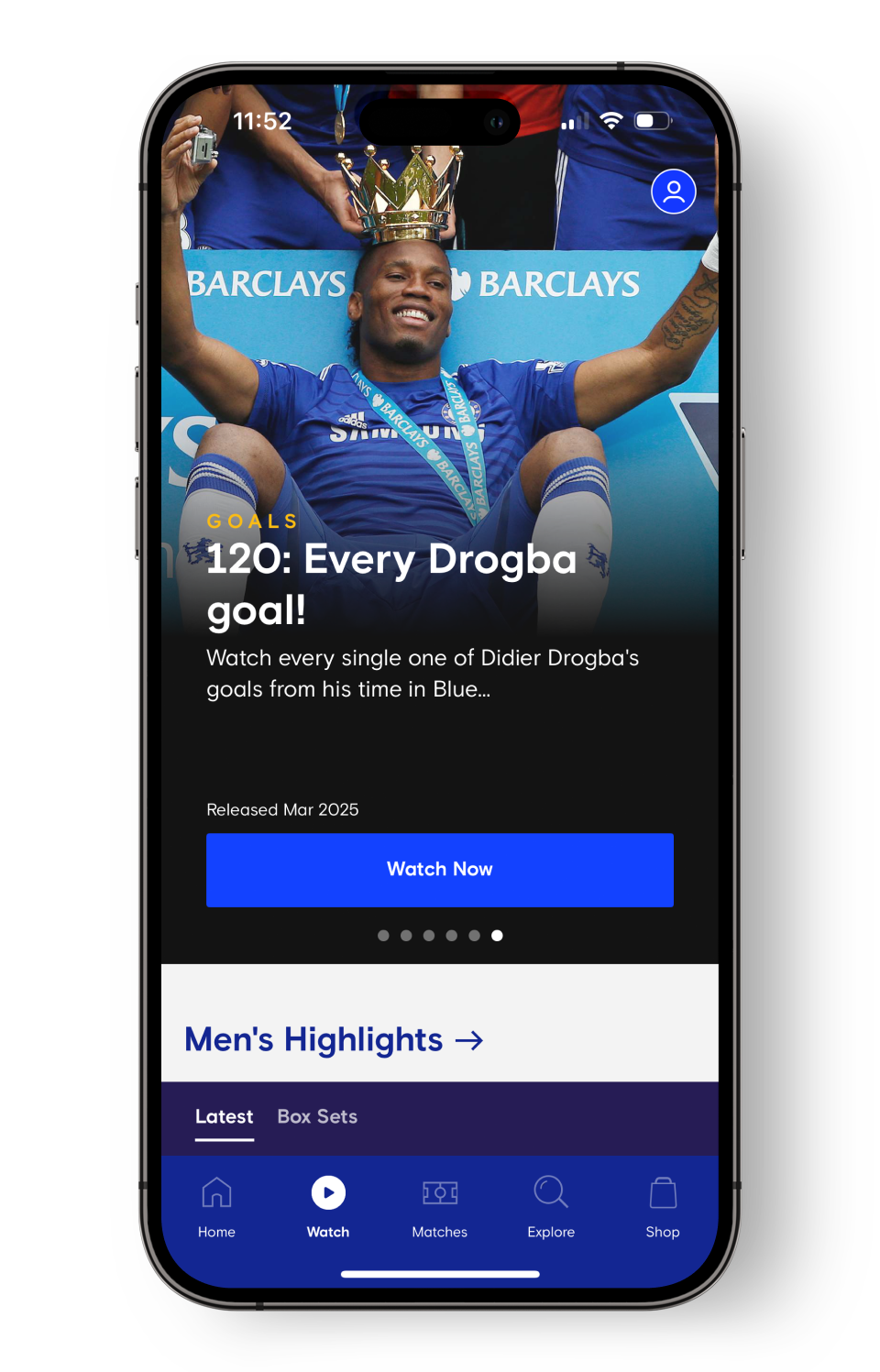
The Chelsea FC Hospitality app was built to enhance the guest experience at Stamford Bridge. This application serves as a contextual guide that changes its interface based on the user’s location and the time of day. Before the match, it displays countdowns and travel updates from Transport for London. During the game, it shifts into a live timeline with commentary and match statistics. This level of personalization not only improves guest care but also provides the club with a direct channel to offer exclusive promotions, thereby increasing ancillary revenue.
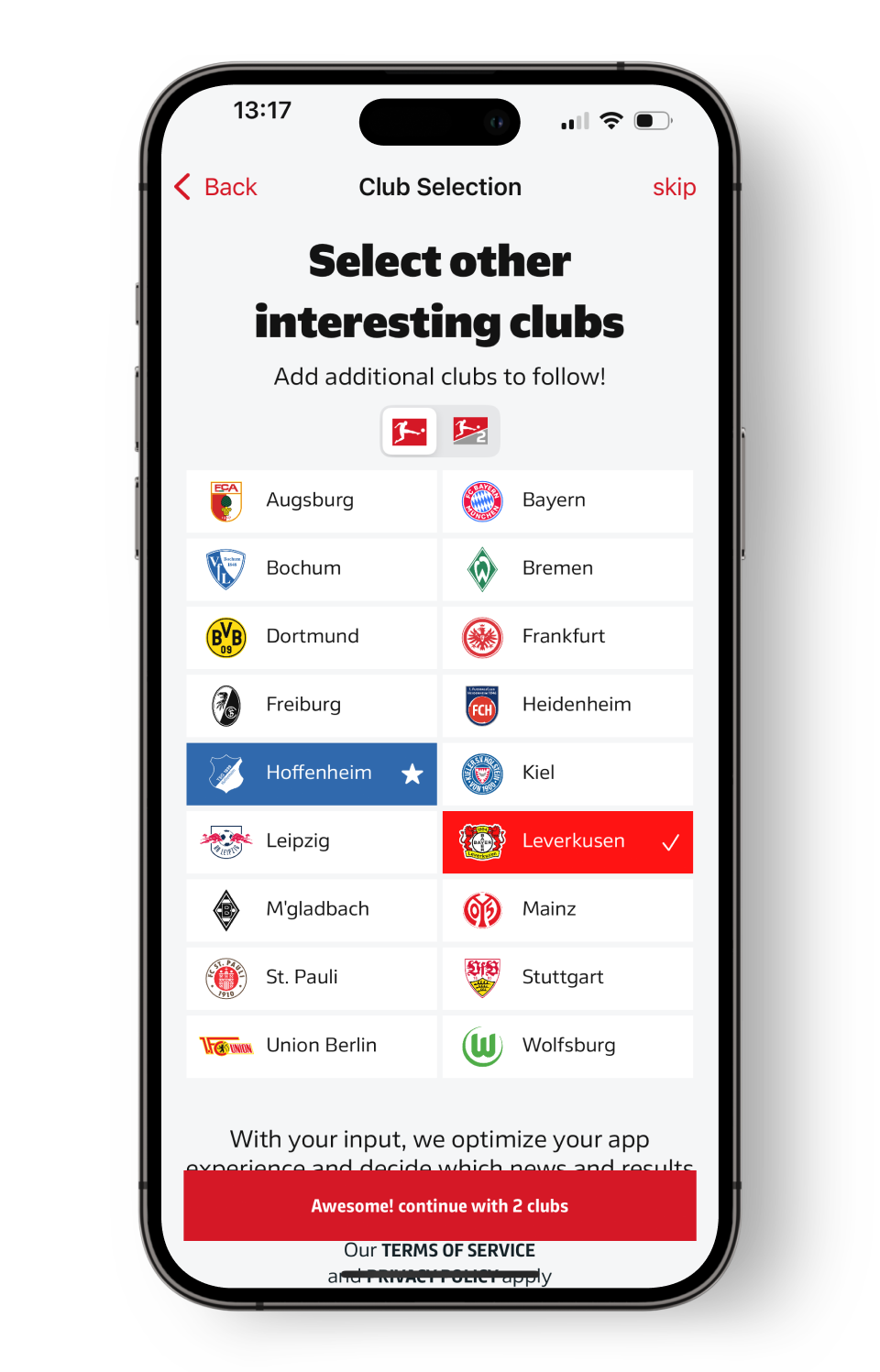
Similarly, Cogniteq’s work with the Bundesliga highlights the use of AI to process broadcast footage, automatically generating highlights and tactical visualizations using computer vision. This allows the league to provide high-resolution, data-rich content that keeps fans engaged across multiple digital platforms.
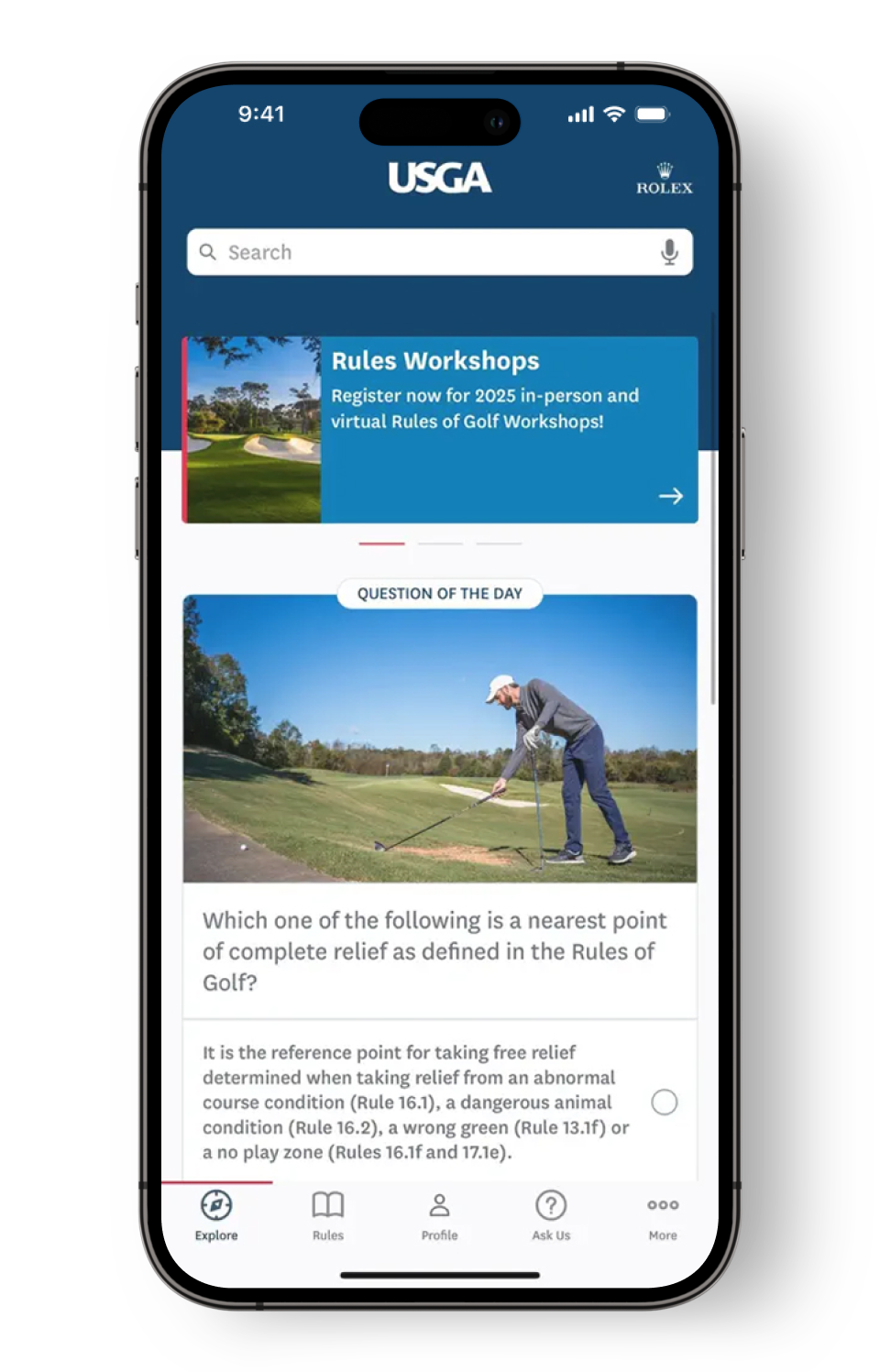
For the United States Golf Association (USGA), Cogniteq developed a definitive resource for the “Official Rules of Golf.” This app includes interpretation videos and advanced search tools. Critically, it features an offline mode, recognizing that golf courses often have poor cellular connectivity. This utility-focused approach ensures the app remains a permanent fixture on serious golfers’ devices.
The Business Impact: Marketing, Sales, and Retention
The primary justification for investing in a bespoke sports app is its impact on the organization’s bottom line. When viewed through the lenses of marketing, sales, and retention, the value of an owned digital platform becomes undeniable.
In an era of increasing privacy regulations and the decline of third-party cookies, owning fan data is a strategic imperative. A mobile app allows an organization to build a first-party data asset that belongs entirely to them. AI-driven insights allow marketers to deliver the right message to the right person at the right time. Furthermore, unlike social media, where only a fraction of followers may see a post, push notifications in a dedicated app provide a direct reach to the user base.
Sports fandom is characterized by high-intent moments—the adrenaline spike of a goal or the excitement of a new player signing. Mobile apps are uniquely positioned to monetize these moments. Seamless in-app ticketing and one-click merchandise purchasing reduce the friction in the sales funnel.
When the digital fan experience is strong, 68% of fans say they spend more money at the venue, from concessions to merchandise.
TVU Networks
Retention is the most significant challenge. Apps keep the conversation alive during the off-season through transfer news, close-season betting, and community challenges. By rewarding long-term support with tangible perks, organizations can move fans up the tiers of fandom, turning casual viewers into lifelong supporters.
Finding the Right Technology Vendor
Selecting a technology partner is perhaps the most critical decision a sports organization will make. To ensure success and a high return on investment, organizations should evaluate vendors against a rigorous set of criteria:
- Deep Domain Expertise: A vendor must understand tournament structures and athlete management.
- Technical Scalability: Sports apps face massive traffic spikes during live matches. The infrastructure must scale instantly without degrading the user experience.
- Security and Compliance: Handling athlete biometrics and payment information requires the highest security standards. (ISO/IEC 27001, SOC 2 Type 2)
- Innovation Capabilities: The ability to integrate with fitness trackers and AR/VR tools.
- Transparency and Support: A reliable vendor provides transparent pricing and ongoing maintenance to ensure the app remains functional.
The Future Landscape of Sports Technology
As we look toward 2026 and beyond, the role of mobile applications in sports will only intensify. We are entering an era of techno-sports where the second-screen experience becomes the primary site of engagement for many fans. Future apps will offer hyper-personalization via AI, potentially predicting fan needs before they arise—such as suggesting a specific beverage order based on the game’s intensity.
For businesses, the message is clear: the most successful sports organizations of the future will be those that view themselves as technology companies as much as athletic ones. By partnering with experts and focusing on the core pillars of engagement, personalization, and data sovereignty, these organizations can ensure they remain relevant in an increasingly competitive global market. The transition from a matchday organization to a year-round engagement platform is the fundamental challenge of the current era, and mobile applications are the most effective tool available to address it.