MQL
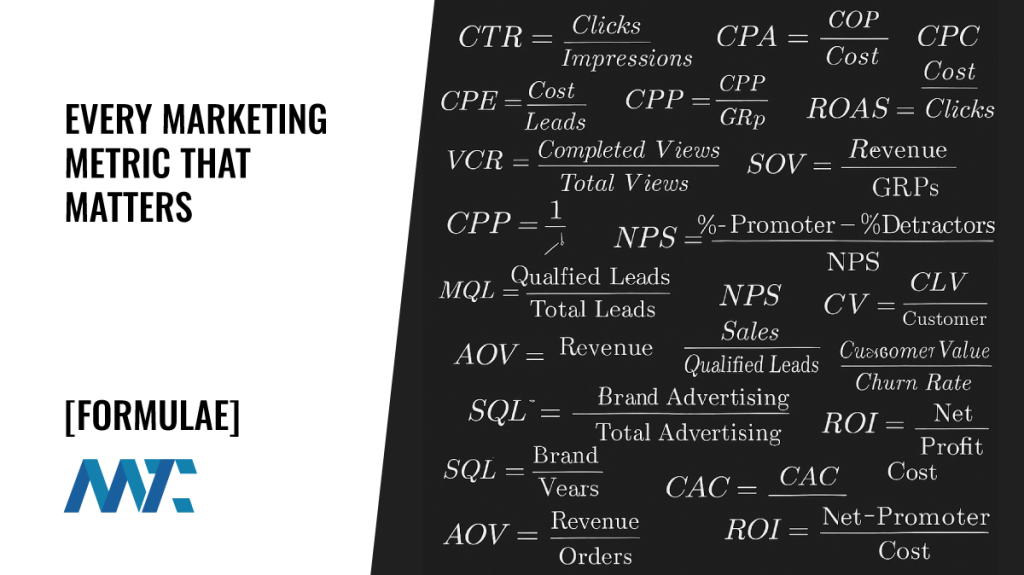
MQL is the Acronym for Marketing Qualified Lead

A prospect who has demonstrated enough interest and engagement with a company’s marketing efforts to be considered more likely to become a customer than a general lead. The designation signals that the individual or account has moved beyond passive awareness and has taken actions that indicate intent, curiosity, or a growing business need.
Unlike raw leads captured through a single form fill or content download, MQLs are identified through behavioral signals and contextual fit. These signals often include repeated website visits, engagement with high-intent content such as product pages or pricing information, attendance at webinars or events, sustained email interaction, or meeting specific demographic or firmographic criteria. The exact definition varies by organization, but the common thread is that an MQL has crossed a meaningful engagement threshold defined by marketing.
MQLs sit in the middle of the revenue funnel, bridging the gap between early-stage awareness and direct sales readiness. At this stage, marketing still owns the relationship, nurturing the lead with targeted messaging, educational content, and personalized experiences. The goal is to validate interest, deepen understanding of the prospect’s problem, and prepare the lead for a productive sales conversation. When an MQL meets additional criteria such as explicit buying signals, budget clarity, or timing alignment, it may be promoted to a Sales Qualified Lead (SQL).
The value of the MQL framework lies in alignment and efficiency. By agreeing on what qualifies a lead as marketing qualified, marketing and sales teams establish a shared language and expectations around lead quality. This reduces friction, improves follow-up timing, and allows sales teams to focus on opportunities with a higher likelihood of conversion. For marketing leaders, MQLs also provide a measurable way to assess campaign effectiveness, lead-nurturing performance, and their contribution to pipeline growth.
In practice, a strong MQL definition is not static. High-performing organizations regularly revisit their MQL criteria, using conversion data, sales feedback, and attribution analysis to refine scoring models and thresholds. When properly defined and consistently applied, the MQL becomes a critical control point in turning marketing activity into predictable, scalable revenue outcomes.