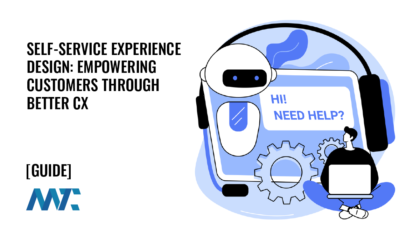
A chatbot is a computer program that simulates conversation with human users, typically over the internet. These programs use automation and artificial intelligence to process and respond to human language, often employing AI techniques to understand and generate responses. Chatbots can be used for customer service, information acquisition, or entertainment, interacting with users through text or voice-based communication.
Applications and Use Cases
Chatbots are versatile tools used across various industries and platforms. They can handle customer service inquiries, provide information, or engage users in interactive experiences. For example, the Robot Monk Xian'er, a humanoid robot based on the cartoon character Xian'er, serves as a chatbot on platforms like WeChat and Facebook. Developed by monks, volunteers, and AI experts from Beijing Longquan Monastery, this chatbot can read scriptures, play Buddhist music, and respond to emotional and spiritual questions with Buddhist wisdom.
- Customer Service: Chatbots streamline customer interactions by providing instant responses to common queries, reducing the need for human intervention.
- Information Acquisition: They can retrieve and present information efficiently, such as weather updates, news, or product details.
- Entertainment: Chatbots can engage users in games, quizzes, or interactive storytelling, enhancing user experience and engagement.
How Chatbots Work
Chatbots operate through a combination of natural language processing (NLP) and machine learning. NLP enables the chatbot to understand and interpret human language, while machine learning allows it to improve its responses over time based on user interactions. The chatbot processes user input, generates appropriate responses, and delivers them through text or voice interfaces.
- Natural Language Processing (NLP): This technology helps the chatbot understand the context and intent behind user messages, enabling more accurate and relevant responses.
- Machine Learning: By analyzing past interactions, chatbots can learn and adapt their responses to better meet user needs, improving their performance over time.
- Automation: Chatbots automate routine tasks, such as answering frequently asked questions, freeing up human agents to handle more complex issues.