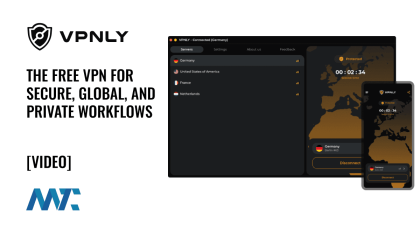
A technology that allows you to create a secure connection to another network over the internet. When you connect to a Virtual Private Network (VPN), your device sends all of your internet traffic through an encrypted tunnel to a server controlled by the VPN provider. This server then sends your traffic out to the internet, so it appears to websites and other online services as if it is coming from the VPN server rather than your device.
How VPNs Work
A VPN uses network virtualization to extend a private network across a public network, such as the Internet, via the use of encryption and tunneling protocols. In a VPN, a tunneling protocol is used to transfer network messages from one network host to another.
- Host-to-network VPNs: Commonly used by organizations to allow off-site users secure access to an office network over the Internet.
- Site-to-site VPNs: Connect two networks, such as an office network and a datacenter.
- Provider-provisioned VPNs: Isolate parts of the provider's own network infrastructure in virtual segments, making the contents of each segment private with respect to the others.
Common Uses of VPNs
VPNs can enhance usage privacy and security, bypass censorship, access geo-blocked content, and provide remote access to company resources.
- Privacy and security: Encrypts internet traffic and hides your real IP address, making it difficult for websites, advertisers, or governments to track your browsing activity.
- Bypassing censorship: Routes your traffic through a server in a different country to bypass blocks on certain websites or services.
- Accessing geo-blocked content: Routes your traffic through a server in a country where the service is available, allowing you to access online services that are otherwise restricted.
- Remote access: Allows employees to access company resources remotely, as if they were on the company's internal network.
VPN Protocols
VPNs use a protocol to establish a secure connection. The most common protocols are OpenVPN, IKEv2/IPSec, L2TP/IPSec, and PPTP. Each protocol has its own strengths and weaknesses, but OpenVPN and IKEv2/IPSec are considered the most secure.
How to Use a VPN
You can use a VPN by installing the client software provided by VPN providers, which is usually software that you can download and install on your device and connect to a server. Another way is by configuring a VPN connection on your router, which allows all devices that connect to your network to use the VPN automatically.