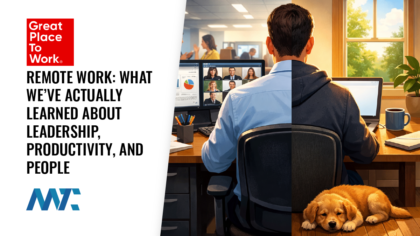
Remote work arrangements where employees perform their duties from home instead of going into an office. This practice became especially popular during the COVID-19 pandemic, as many businesses adapted to new working methods to ensure employee safety and maintain productivity. Working from home offers several benefits, including flexibility, reduced commuting time, and often improved work-life balance. However, it also presents challenges, such as the need for a dedicated workspace, potential distractions, and the necessity of strong self-discipline to maintain productivity.
Benefits of WFH
Working from home provides several advantages for both employees and employers.
- Flexibility: Employees can often set their own schedules, allowing for a better balance between work and personal life.
- Reduced commuting time: Eliminating the daily commute saves time and reduces stress.
- Cost savings: Companies can save on office space and utilities, while employees save on transportation and meal costs.
Challenges of WFH
Despite its benefits, working from home also comes with certain challenges.
- Dedicated workspace: Creating a productive home office environment can be difficult, especially in small living spaces.
- Distractions: Home environments can present various distractions, from family members to household chores.
- Self-discipline: Maintaining productivity requires strong self-discipline and effective time management skills.
History of Remote Work
The practice of working at home has been documented for centuries, but remote work for large employers began on a small scale in the 1970s. It became more common in the 1990s and 2000s, facilitated by internet technologies such as collaborative software on cloud computing and conference calling via videotelephony. In 2020, workplace hazard controls during the COVID-19 pandemic catalyzed a rapid transition to remote work for white-collar workers around the world. This shift largely persisted even after restrictions were lifted. Proponents of a geographically distributed workforce argue that it reduces costs associated with maintaining physical office spaces and can lead to increased employee satisfaction and retention.